TAMIU Serves as Lead Academic Partner for Inaugural Fun Learning Conference in Rwanda
Texas A&M International University (TAMIU), through its Office of Global and Community Engagement (GCE), served as lead academic partner for the inaugural Fun Learning Conference held recently in Kigali, Rwanda, bringing together policymakers, researchers, educators, future teachers, and community leaders to strengthen connections among education policy, research, and classroom practice.
The Conference emerged from a strategic roundtable convened in 2025 at the Rwanda Basic Education Board, where partners committed to reimagining education systems by bridging the gap between policy, research, and classroom practice. That effort led to the development of the Draft Kigali Declaration, centered on three priorities: bridging knowledge gaps, strengthening educator capacity, and advancing meaningful policy reform.
More than 200 participants, including policymakers, researchers, educators, and future leaders from Teacher Training Colleges (TTC) and the African Leadership University (ALU), participated in the conference.
At the heart of the conference was a shared belief that improving educational outcomes requires partnership ecosystems that place children at the center of decision-making. Participants explored how governments, universities, schools, families, communities, and civil society organizations can work together to create learning environments that are engaging, inclusive, and responsive to local needs.
Discussions were informed by emerging work on building partnership ecosystems that put children first, emphasizing that sustainable educational change occurs when diverse stakeholders align around a shared commitment to helping children learn, grow, and thrive.
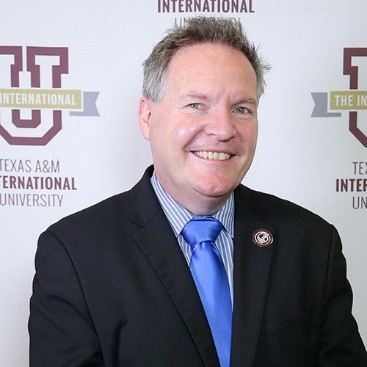
"The conference affirmed that Fun Learning is a promising, research-informed pedagogical framework grounded in joy, engagement, relevance, and purpose," said Dr. James O'Meara, dean of TAMIU Global & Community Engagement, "At its heart, Fun Learning recognizes that meaningful educational change requires strong partnerships that connect policymakers, researchers, educators, families, and communities around a shared commitment to helping children thrive."
Participants engaged in sessions focused on the neuroscience of learning and engagement, the ethical integration of artificial intelligence in education, Learning Trails as scalable tools for low-resource contexts, and active, student-centered pedagogies that shift from passive instruction to collaborative learning environments.
The conference also highlighted the importance of building sustainable learning ecosystems where educational opportunities extend beyond schools and leverage community assets, local expertise, and collaborative networks to support children's academic and personal development. Participants explored strategies for creating stronger connections among educational institutions, families, community organizations, and policymakers to ensure learning remains relevant, accessible, and responsive to local contexts.
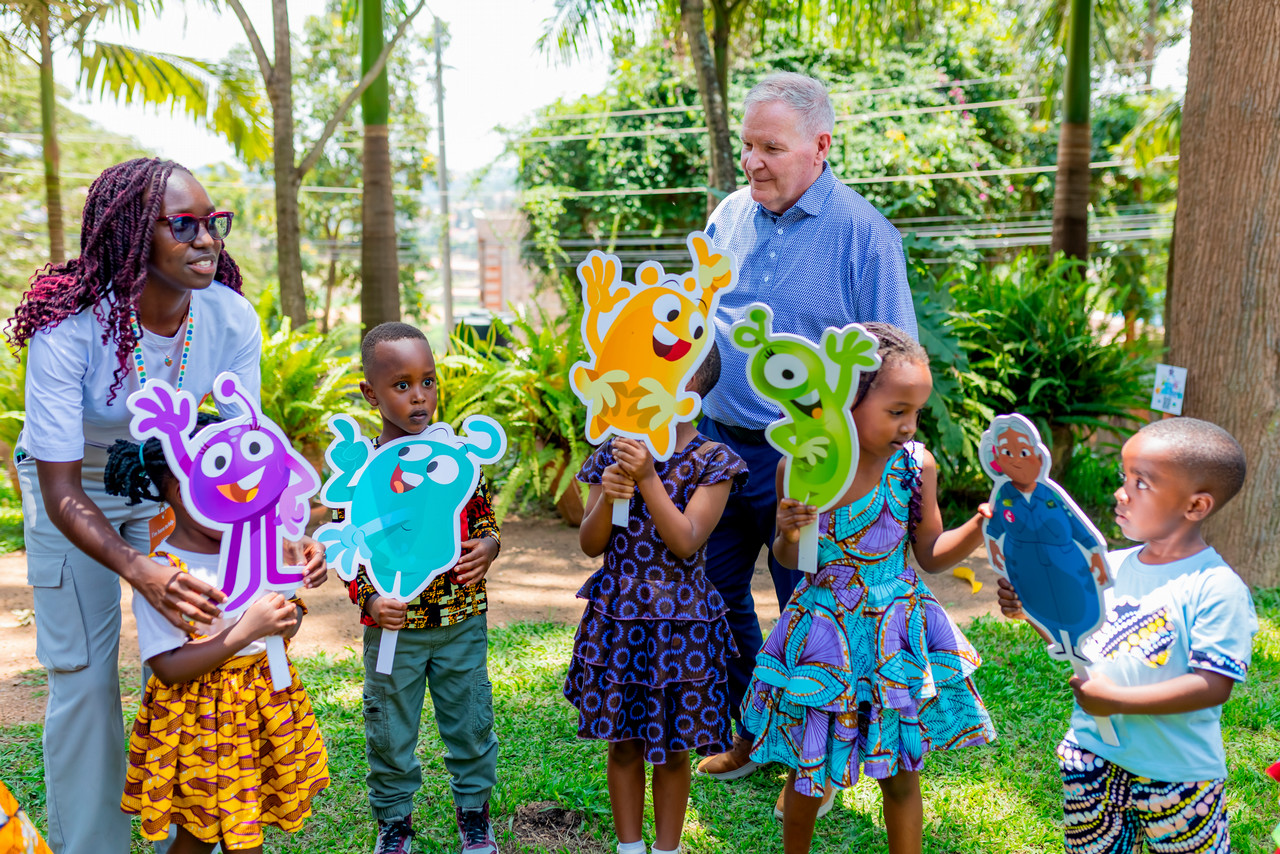
One tangible outcome of these conversations was the development of the Open Bookshelf Initiative, O'Meara said.
Building on ideas explored through the Fun Learning partnership ecosystem framework and collaborations strengthened in Kigali, TAMIU and its partners developed the concept in Kigali and implemented the initiative in Laredo. The Open Bookshelf Initiative seeks to expand access to multilingual literacy resources, encourage family engagement, and leverage emerging technologies to support reading and learning, O'Meara said.
The initiative demonstrates how international collaboration can generate practical local solutions and serves as a powerful example of TAMIU's commitment to thinking globally and impacting locally.
The Conference emphasized action-oriented outcomes. On the first day, participants challenged academia and policymakers to ensure knowledge is locally grounded and contextually relevant. On the second day, educators were equipped with practical strategies to create safe, inclusive, and stimulating classrooms where engagement serves as a pathway to deeper learning.
A key feature of the Conference was the Youth Track, where pre-service teachers and students co-developed the Kigali Youth Declaration, ensuring that the next generation of educators and leaders plays an active role in shaping the future of education. This emphasis on youth voice reflected the conference's broader commitment to co-creation and partnership, recognizing that sustainable educational change is strongest when learners themselves are included in the conversation.
O'Meara contributed to the design, facilitation, and implementation of the conference, supporting efforts to connect global research, policy dialogue, classroom innovation, and community engagement.
"The work represents a forward-looking blueprint for strengthening educational ecosystems across Africa and reinforces TAMIU's commitment to global partnerships that connect local innovation with international impact," O'Meara said, "By bringing together diverse partners around a shared vision for children, the conference demonstrated how collaboration can generate solutions that are both locally relevant and globally informed."
A notable example of this impact can be seen through the Open Bookshelf Initiative. The initiative is currently being piloted through TAMIU's LBV Literacy Partnership in collaboration with the FEdu team, O'Meara said.
The pilot is exploring how multilingual literacy resources and emerging AI technologies can be combined to promote STARR readiness over Summer. In September, members of the FEdu team will travel to Laredo to review the pilot's findings and share lessons learned at the annual Unidos Para Texas Conference.
The initiative illustrates how global partnerships can generate local innovation while creating opportunities for knowledge exchange that benefit communities across continents.
Through its engagement, TAMIU GCE fostered community engagement on a global scale, creating opportunities for educators, policymakers, researchers, and learners to participate in activities of shared educational concern that are both individually enriching and socially transformative.
The initiative reflects TAMIU's role as a social catalyst, advancing change and strengthening connections across communities, institutions, and nations, O'Meara said.
"It also aligns with the mission of Global & Community Engagement to inspire and empower communities across the region, state, country, and world to achieve academic success, drive social impact, and build global connections that spark positive change," he said, "The conference demonstrated the power of partnership ecosystems that put children first and bring together diverse stakeholders in pursuit of a common goal: ensuring every child has access to meaningful, engaging, and transformative learning experiences. The Open Bookshelf Initiative demonstrates how those global partnerships can create local impact, transforming ideas developed through international collaboration into opportunities that directly benefit children, families, and communities here in South Texas."
For more information about TAMIU Global and Community Engagement, visit TAMIU's Office of Global and Community Engagement located in the Senator Judith Zaffirini Student Success Center (ZSC) 138.