Agricultural Workgroup Research
The Garden and Greenhouse Program
Dr. Amede Rubio
Assistant Professor
College of Arts and Sciences
Department of Biology and Chemistry
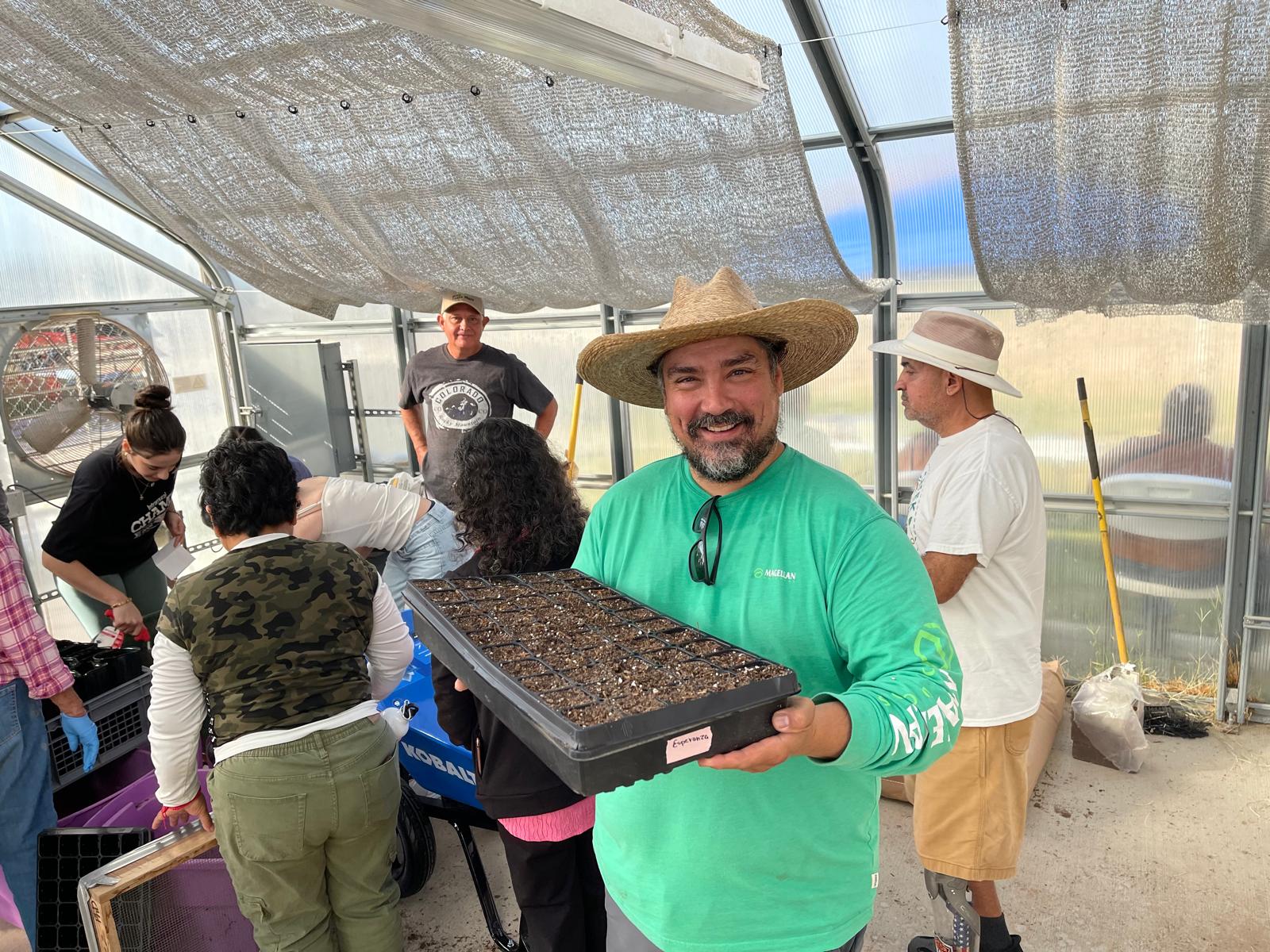
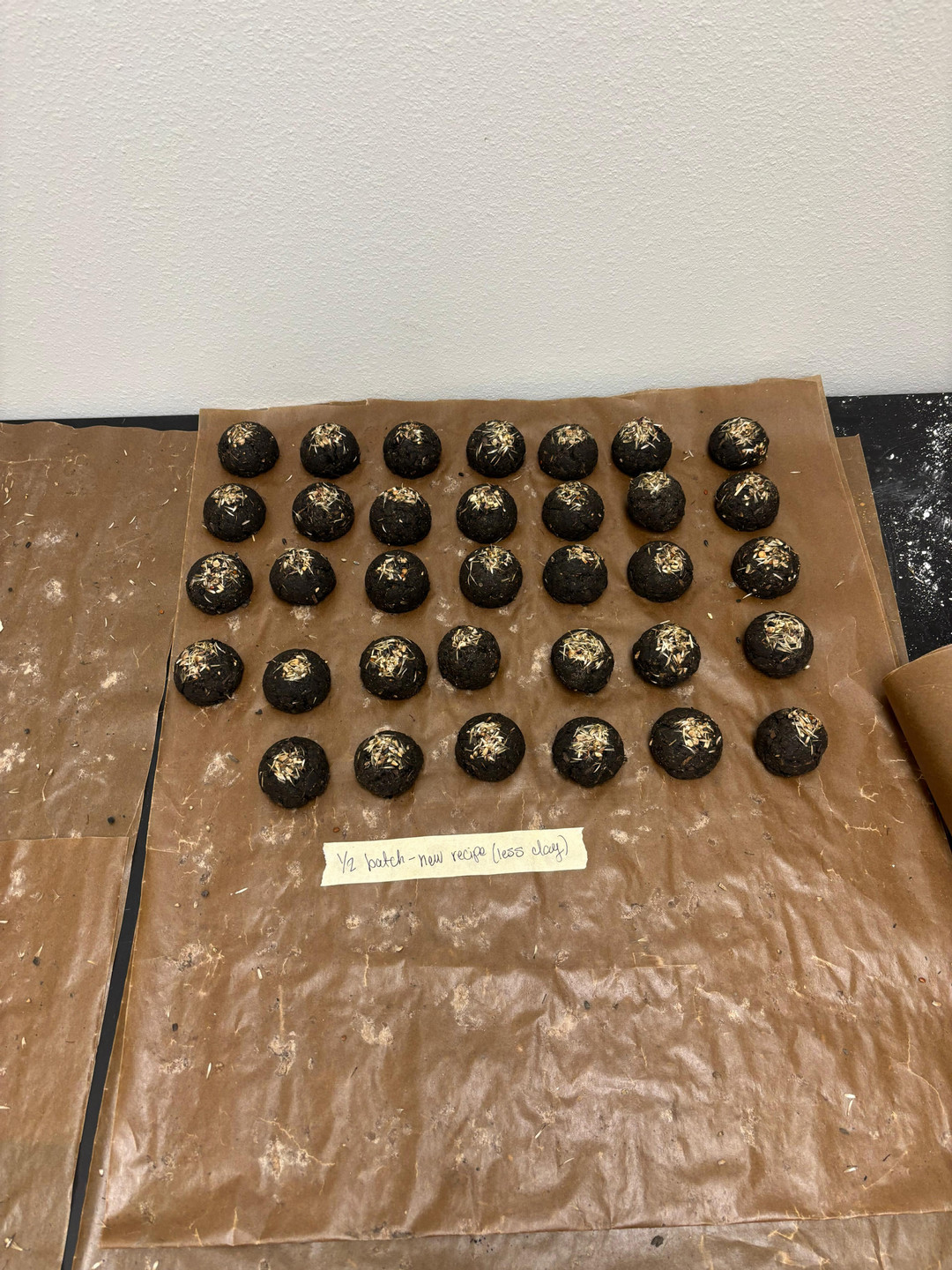
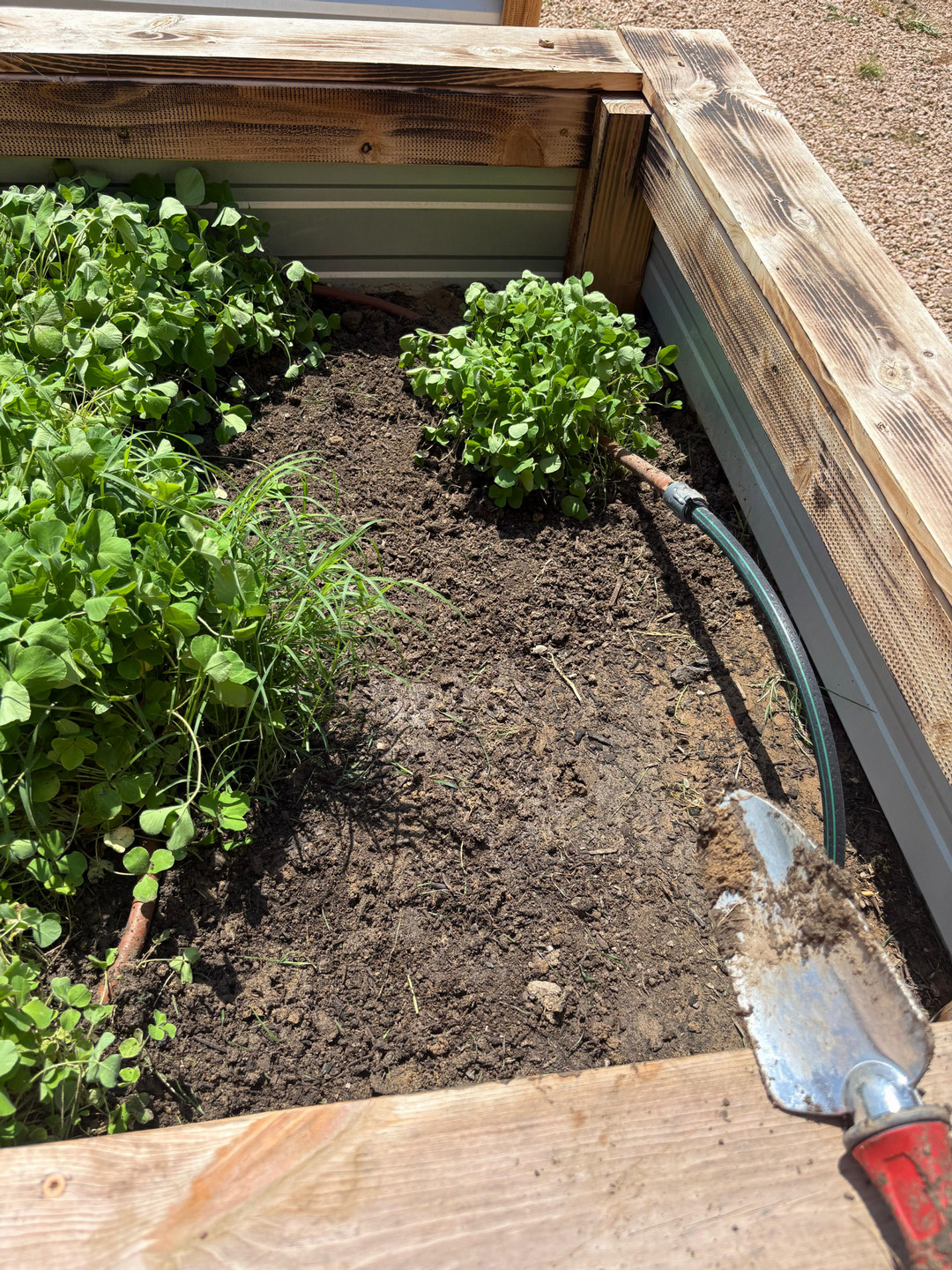
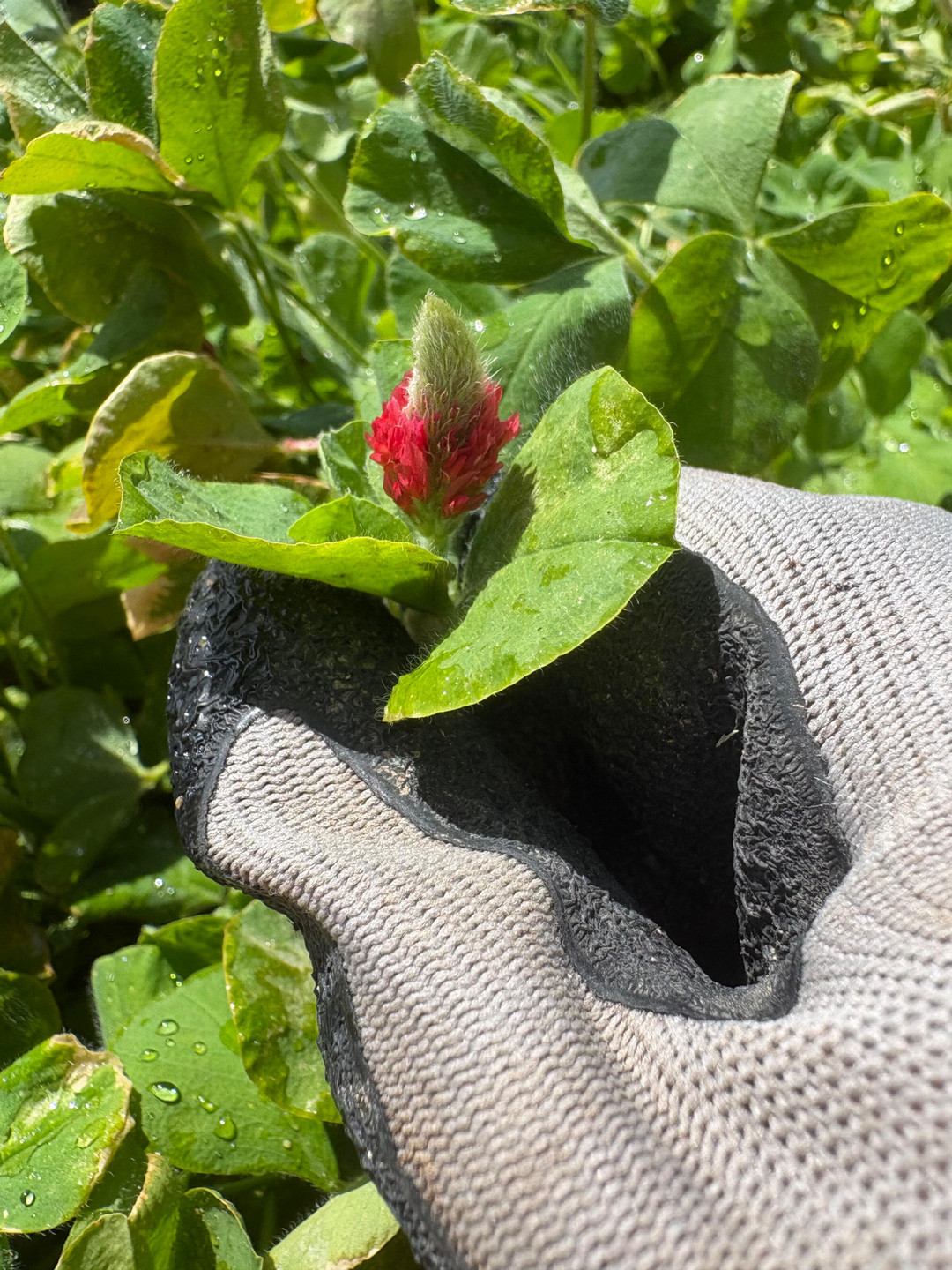
The TAMIU Garden and Greenhouse program, led by Dr. Amede Rubio, serves as a living laboratory for undergraduate training, applied research, and community engagement focused on sustainable and locally relevant growing practices in South Texas. Through hands-on experiences in greenhouse propagation, raised bed gardening, and native plant cultivation, undergraduate students develop technical skills in plant production, garden management, experimental design, and environmental stewardship. The program also promotes outreach and community involvement by hosting local volunteers, school groups, and participants from the UISD CHERISH Center, providing opportunities for experiential learning and connection with food systems and ecological practices. Current research in the garden is evaluating the traditional Three Sisters planting method corn, beans, and squash to examine its practicality, productivity, and adaptability within raised bed systems and the challenging environmental conditions of South Texas.
The Mendez Laboratory Greenhouse Study Project
Dr. Monica O. Mendez
Associate Professor
College of Arts and Sciences
Department of Biology and Chemistry
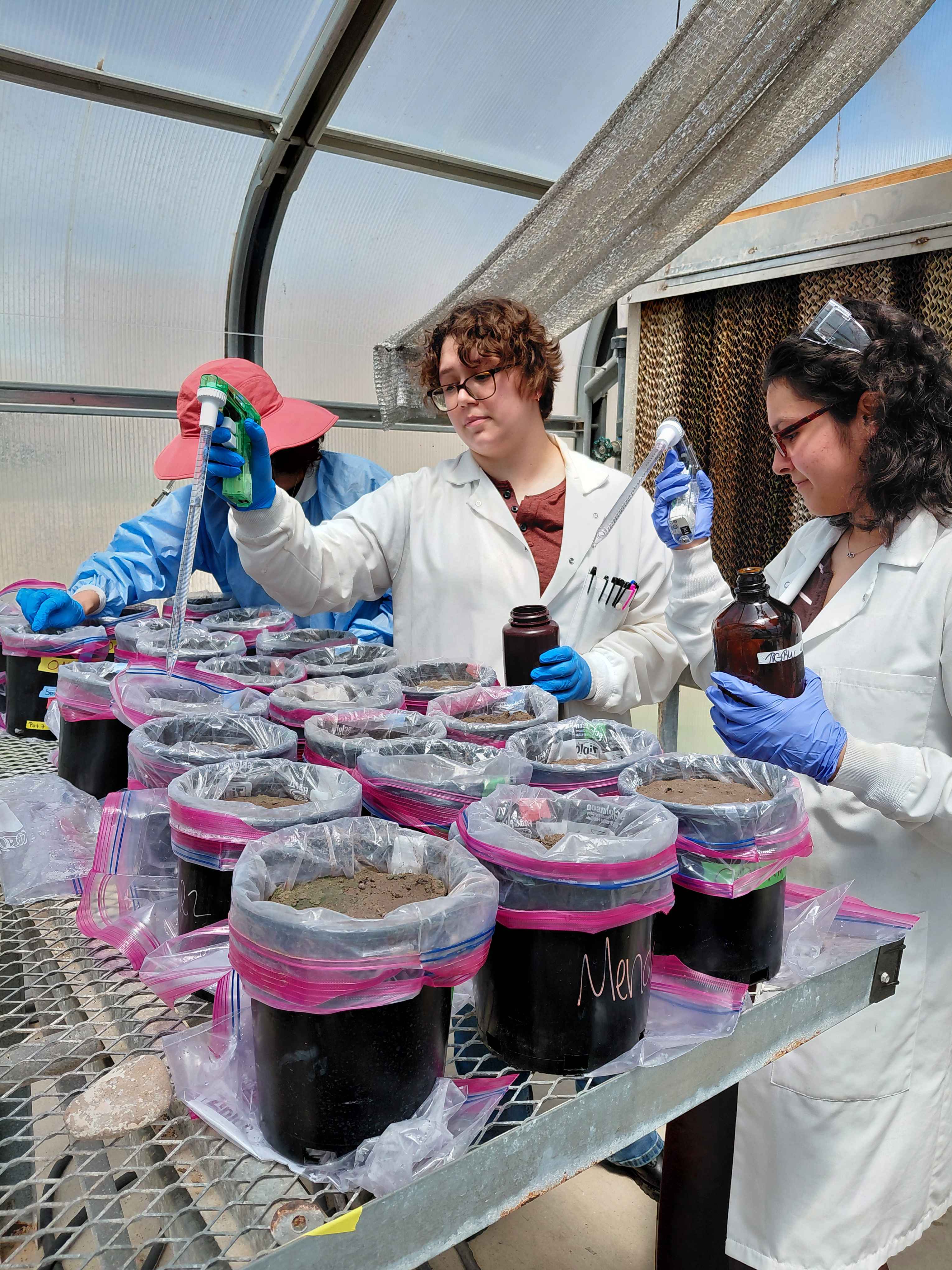
Dr. Mendez is investigating the mitigation of antimicrobial resistance development in a USDA-AFRI funded project. The Mendez Laboratory is investigating the use of plant growth-promoting bacteria to degrade antimicrobials in soils and reduce levels of antimicrobials in crop products in a greenhouse study. Project results will determine how synthetic microbial communities can improve soil health for improving food production and quality.
TAMIU Garden Research Activities
Dr. Maya P. Bhatt
Assistant Professor
College of Arts and Sciences
Department of Biology and Chemistry
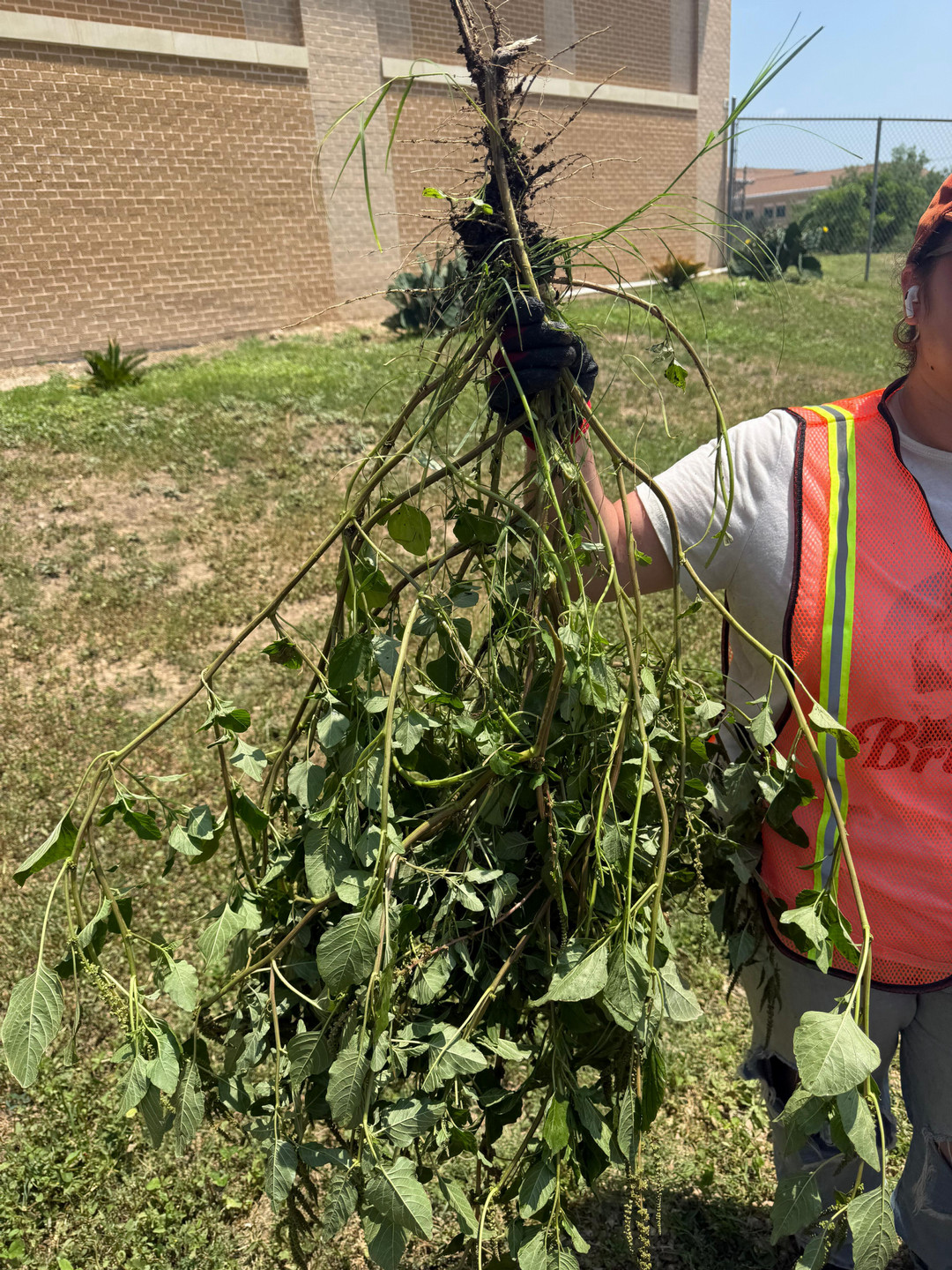
The Agricultural Working Group is planning to investigate garden soil biogeochemical dynamics. We will examine how varying plant types and soil depths affect the depletion, accumulation, and vertical dynamics of key macronutrients, micronutrients, and heavy metals across different soil horizons.
1. Sampling Design
Systematic sampling will be collected to account for spatial variability across the garden. Incremental sampling across multiple depths to capture both the root zone and deeper subsoil profiles. Samples will be collected from targeted zones across varying vegetation types and soil horizons.
2. Analytical Scope
Soil samples will be analyzed for a comprehensive suite of chemical species, categorized as follows:
Macronutrients and Basic Elements:
Carbon (C), Silicon (Si), Nitrogen (N), Phosphorus (P), Potassium (K), Sodium (Na), Calcium (Ca), and Magnesium (Mg).
Micronutrients:
Iron (Fe), Aluminum (Al), and Zinc (Zn).
Trace Elements and Contaminants:
Arsenic (As), Lead (Pb), Cadmium (Cd), and Copper (Cu).
3. Core Objectives and Evaluation
Depletion Profile Construction:
Mapping elemental gradients and depletion profiles across differing soil horizons and contrasting plant communities.
Vegetation-Soil Dynamics:
Assessing how distinct vegetation types influence elemental dynamics and nutrient bioavailability.
Nutrient Emphasis:
Focusing specifically on the vertical migration and uptake of primary nutrients: Nitrogen (N), Phosphorus (P), and Potassium (K).
View and complete the TAMIU Garden Student Attendance Log via the Microsoft Forms Link.
COAS leadership especially values the collaboration of the College of Education Dean, Dr. Alfredo Ramirez.
Return to top
College of Arts and Sciences
Academic Innovation Center (AIC) 373