Communication Sciences and Disorders
Marketable Skills
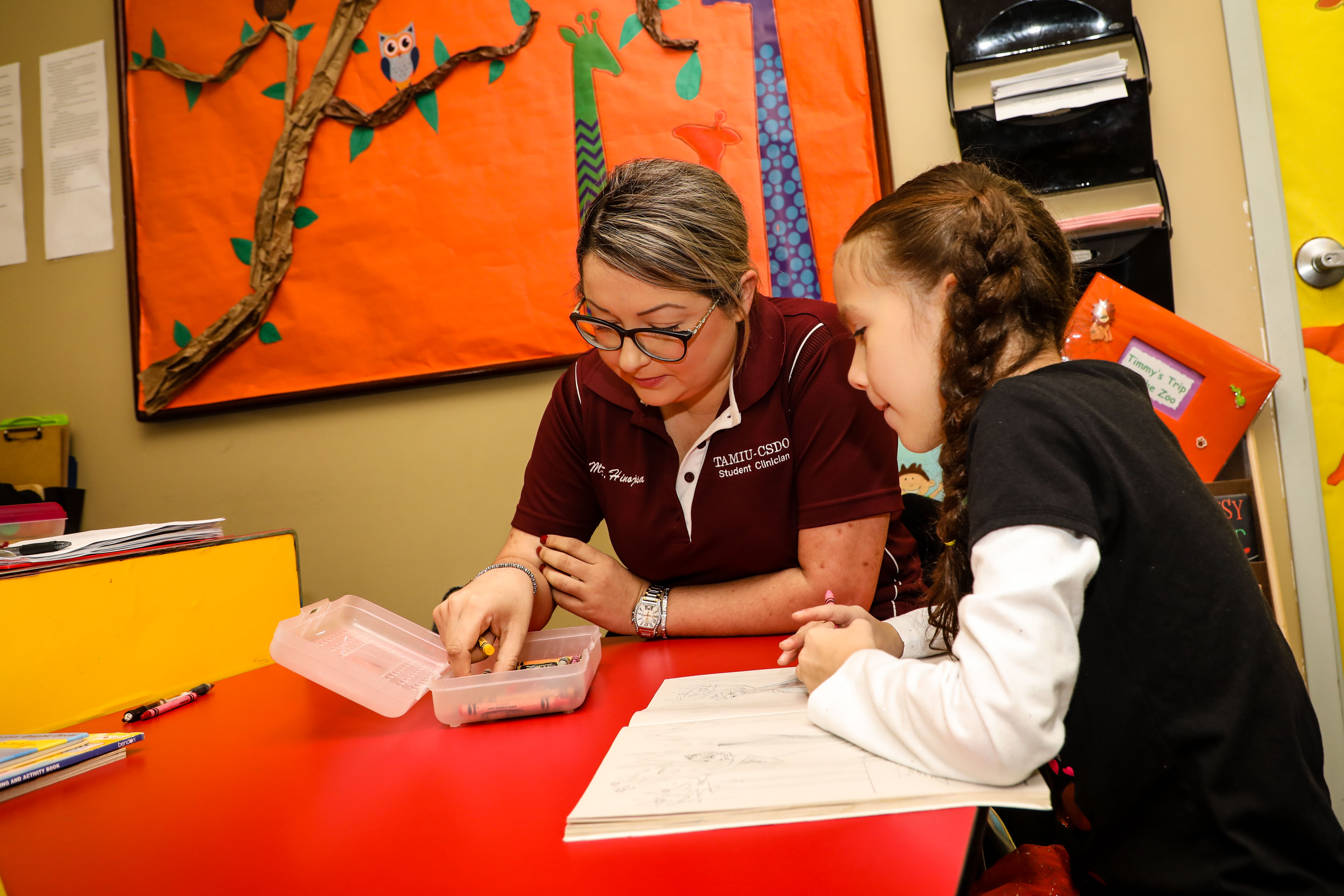
A Degree in Communication Sciences and Disorders Provides Students
Preparation for graduate study and careers in speech-language pathology, audiology, and related communication and health professions through the study of human communication, speech, language, and hearing across the lifespan.
Students develop:
- A strong foundation in the science of human communication and communication disorders through the integration of knowledge from human development, psychology, cognitive sciences, biology, acoustics, and language science.
- Critical thinking and analytical skills used to understand and evaluate communication processes and disorders.
- Effective written and oral communication skills within physical, biological, cognitive, linguistic, and social science contexts.
- An understanding of culturally and linguistically responsive practices in communication sciences and disorders.
- Foundational observational and professional skills applicable to clinical, educational, and community settings.
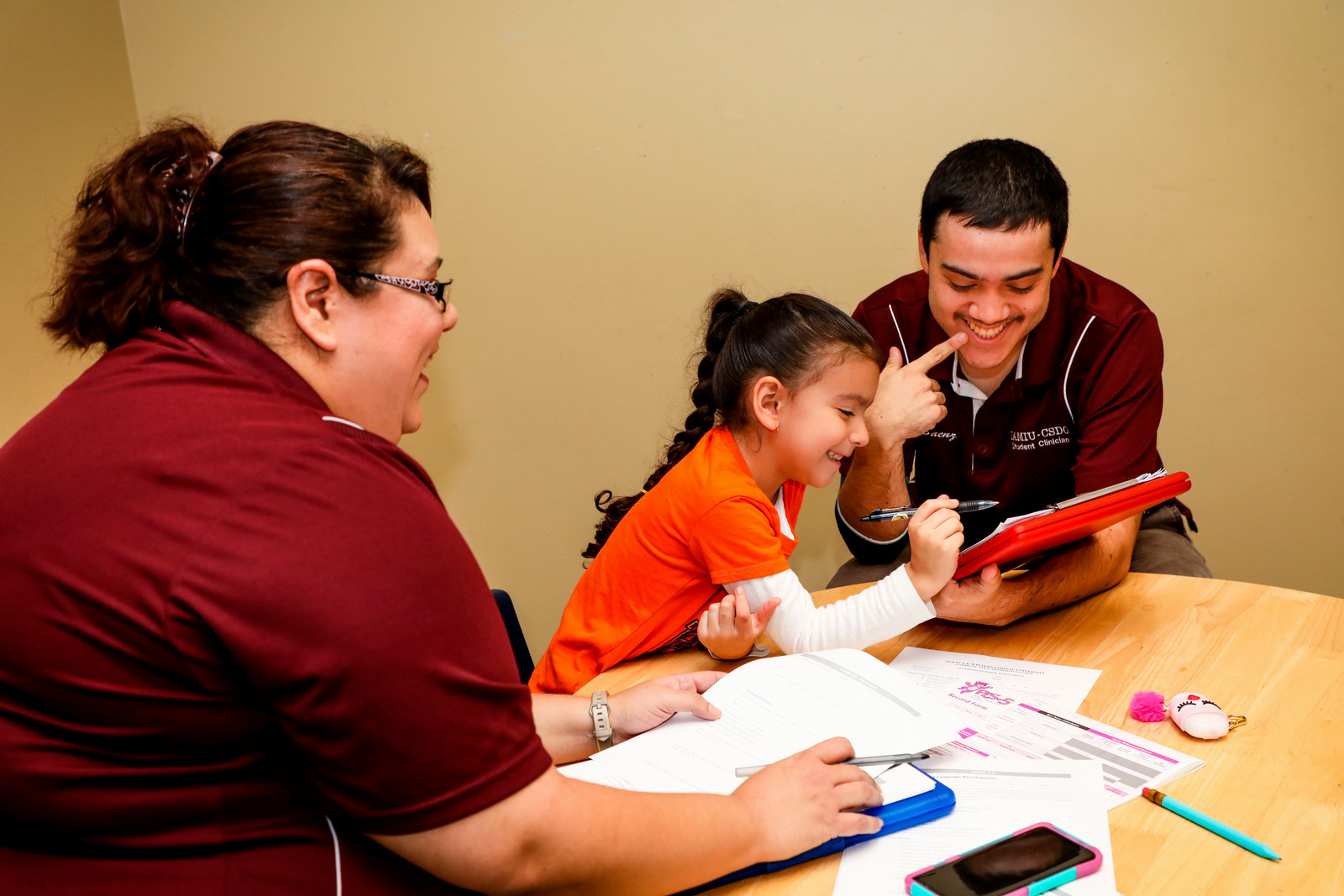
Marketable Skills
Students in the Communication Sciences and Disorders program develop a broad set of academic, clinical, and professional skills that prepare them for graduate study and careers in speech-language pathology, audiology, and related health and education fields.
Students develop strong written and oral communication skills used in academic, clinical, and professional settings. These skills support effective interaction with individuals, families, and interdisciplinary teams across diverse populations.
Students learn to apply critical thinking and analytical reasoning to evaluate communication processes, interpret information, and address communication-related challenges.
Students gain foundational knowledge in speech, language, hearing, human development, cognitive sciences, biology, acoustics, and language science as they relate to communication and its disorders.
Students develop observational and documentation skills used to identify and describe communication behaviors in clinical, educational, and community-based settings.
Students gain an understanding of culturally and linguistically responsive practices that support effective communication and service delivery across diverse populations.
Students develop professional behavior, ethical awareness, and interpersonal skills that support responsible practice and collaboration in academic and clinical environments.
Students learn to locate, evaluate, and apply scientific and evidence-based information related to communication sciences and disorders.