x


Kinesiology Marketable Skills

Bachelor of Science in Kinesiology

The mission of the Kinesiology non-certification program at Texas A&M International University is to educate and prepare qualified professionals in kinesiology and exercise science who are committed to promoting active and healthy lifestyles across the Border Region, the state of Texas, and national and international communities.

Grounded in the unique needs and strengths of the Laredo community, the program is dedicated to student success through rigorous academic preparation, applied learning experiences, and meaningful faculty mentorship that supports both personal and professional growth. Students are supported as they build a strong foundation in scientific knowledge and practical skills, preparing them for careers in human performance, fitness, and rehabilitation, as well as future graduate and professional study in health sciences.

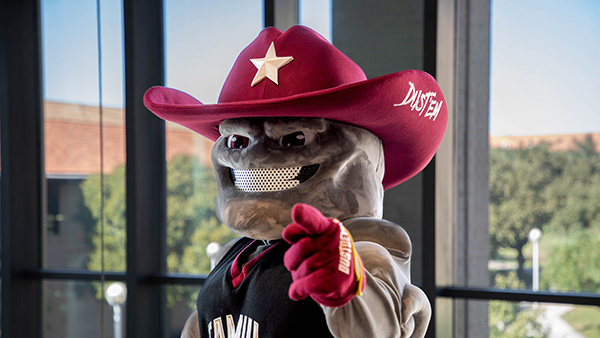
Dusty Recuitment


A Degree in Kinesiology Provides Students

Preparation to succeed in Kinesiology graduate programs as well as a wide variety of disciplines in areas such as:

  • Physical and Occupational Therapy
  • Cardiac Rehabilitation
  • Strength and Conditioning
  • Athletic Training
  • Biomechanist
  • Dietitian/Sports Nutritionist
  • Exercise Physiologist
  • Personal Trainer
Candidates will also be able to effectively;
  • Evaluate and interpret the components of health related fitness.
  • Discuss and synthesize current issues in health, physical activity and wellness.
  • Develop quality wellness programs for the individuals and community.

Marketable Skills of Graduates in Texas

Students in the Kinesiology program develop a range of applied and academic skills that prepare them for careers in health, fitness, human performance, and related fields, as well as for graduate study in the health sciences.

Students gain an understanding of the relationships between anatomical structures, physiological processes, and cellular responses to exercise. They also develop knowledge of how behavior, physical activity, functional capacity, and health interact across the lifespan.
Students learn to use reasoning and critical thinking to analyze, synthesize, and evaluate information in order to make informed decisions and solve problems in exercise science and health-related contexts.
Students learn to select and use appropriate technologies in exercise science and kinesiology settings to support assessment, analysis, and problem-solving.
Students develop the ability to produce clear written work and research-based reports that integrate multiple perspectives. They also learn to communicate effectively in both written and oral formats with diverse populations, demonstrating cultural awareness and sensitivity.
Students are introduced to ethical principles in research and professional practice and learn to evaluate ethical considerations in kinesiology-related decision-making.